
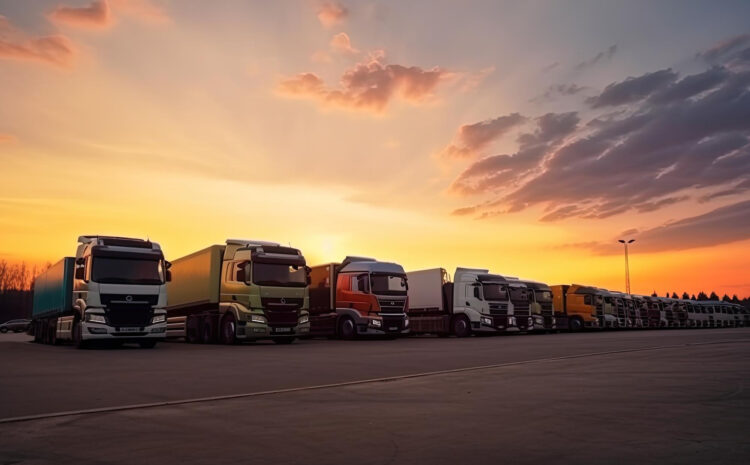
The Future of Fleet Management: How Telematics is Revolutionizing the Industry
The fleet management landscape is undergoing a major transformation, thanks to telematics technology. What used to be a task of simply managing vehicles on the road has evolved into a sophisticated process where real-time data, predictive analytics, and advanced tracking tools drive operational efficiency. Telematics has become a game-changer for businesses, enabling them to not only track their vehicles but also monitor driver behavior, optimize routes, and cut fuel costs. This article explores how telematics is revolutionizing fleet management and why it’s crucial for businesses to adopt this technology to stay ahead of the curve.
Real-Time Tracking and Enhanced Efficiency
One of the core features of telematics is real-time tracking, which allows fleet managers to monitor the exact location of their vehicles at any given time. This means that businesses can optimize routes, reduce idle time, and ensure their vehicles are operating efficiently. With real-time updates, dispatchers can make quick adjustments in response to traffic congestion, accidents, or any unforeseen events, ensuring timely deliveries and improving overall fleet performance.
Additionally, having real-time data at your fingertips helps businesses keep customers informed with accurate ETAs, further enhancing customer satisfaction.
Predictive Maintenance: Reducing Downtime and Repair Costs
One of the most significant benefits of telematics is predictive maintenance. Fleet managers no longer need to rely on periodic maintenance schedules alone. Instead, telematics systems provide real-time insights into vehicle health, detecting potential issues before they escalate into costly breakdowns. This data allows businesses to perform maintenance only when necessary, preventing expensive repairs, minimizing downtime, and extending the lifespan of their vehicles.
By keeping fleets in peak condition, businesses can not only save money but also avoid disruptions in their daily operations.
Fuel Monitoring and Cost Savings
Fuel is one of the most significant operational costs for any fleet. With fuel consumption monitoring, telematics helps businesses track fuel usage across their fleet in real-time, identifying inefficiencies or unusual fuel consumption patterns. By analyzing this data, businesses can adjust routes, driving habits, and maintenance schedules to reduce fuel wastage. Moreover, telematics provides valuable insights that can help cut down on unauthorized fuel usage or fuel theft, ensuring every drop of fuel is accounted for.
Improved Driver Safety Through Behavior Monitoring
Telematics doesn’t just track vehicles; it also monitors driver behavior, helping businesses identify unsafe driving habits such as speeding, harsh braking, or aggressive acceleration. By addressing these issues, fleet managers can enhance driver safety, reduce the risk of accidents, and lower insurance premiums. Moreover, promoting safe driving behaviors leads to less vehicle wear and tear, extending the life of your fleet.
Future Trends in Telematics for Fleet Management
As telematics continues to evolve, we’re seeing the rise of autonomous vehicle technologies, integrated AI systems, and even more advanced predictive analytics. The future of fleet management is one where telematics will offer deeper insights and automated decision-making, allowing businesses to further streamline operations and boost profitability. By adopting telematics now, businesses can future-proof their operations and stay competitive in a rapidly changing industry.